In today’s fast-paced world, people are becoming more conscious about what they eat, how their food is grown, and how their lifestyle affects their health and the environment. This growing awareness has led many to choose an organic lifestyle. But for beginners, the idea of “going organic” can feel confusing, expensive, or overwhelming.
The truth is, starting an organic lifestyle does not mean changing everything overnight. It is about making small, mindful choices that support your health, protect nature, and promote sustainable living. This guide will help you understand what lifestyle is and how you can adopt step by step.
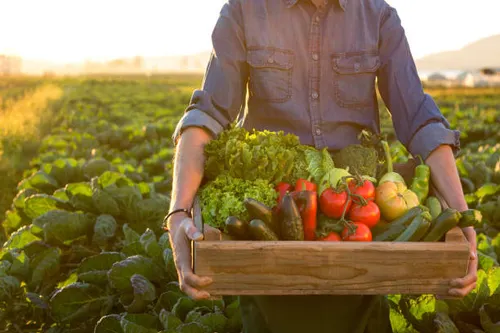
What Is an Organic Lifestyle?
An organic lifestyle focuses on consuming and using products that are grown or made without harmful chemicals, synthetic fertilizers, pesticides, genetically modified organisms (GMOs), or artificial additives.
An organic lifestyle is not limited to food alone. It includes:
- Organic food and beverages
- Eco-friendly daily habits
- Sustainable living choices
- Supporting organic farmers and local communities
The goal is to live in harmony with nature while improving overall well-being.
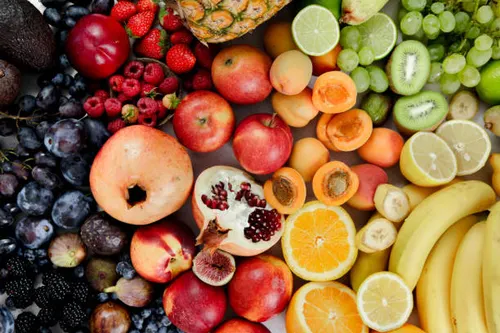
Why Should You Choose an Organic Lifestyle?
1. Better Health
Organic foods are free from harmful pesticides, chemical residues, and artificial preservatives. Consuming organic food reduces your exposure to toxins and supports better digestion, immunity, and long-term health.
2. Environment Protection
Organic farming improves soil fertility, reduces water pollution, and promotes biodiversity. Choosing organic helps protect the planet for future generations.
3. Support farming supports small farmers and ethical agricultural practices, ensuring fair income and healthier working conditions.
4. Improved Food Quality
Many people believe organic food tastes better and fresher because it is grown naturally and often sourced locally.
Step 1: Start With Awareness and Mindset
Before changing your shopping habits, start with education and awareness. Understand why organic products matter and how they are different from conventional ones.
Ask yourself:
- Where does my food come from?
- How is it grown?
- What chemicals am I consuming daily?
Step 2: Begin With Organic Food
You do not need to replace all your food items at once. Start small.
Focus on These First:
- Rice and wheat
- Fruits and vegetables
- Pulses and lentils
- Spices
- Cooking oils
These items are consumed daily, so switching them to organic can make a big difference.
Tip:
If your budget is limited, prioritize organic options for foods you eat most often.
Step 3: Choose Seasonal and Local Produce
Seasonal fruits and vegetables are naturally healthier, fresher, and often more affordable. Local organic produce has:
- Lower transportation costs
- Better freshness
- Less environmental impact
Buying seasonal organic food also supports local farmers and reduces carbon footprint.
Step 4: Read Labels Carefully
Not every product labeled “natural” or “eco” is truly organic.
What to Look For:
- Certified organic labels (India Organic, USDA Organic, etc.)
- Clear ingredient lists
- No artificial colors, flavors, or preservatives
Avoid products with long chemical names that you cannot recognize or pronounce easily.
Step 5: Shift to Organic Cooking Ingredients
Organic spices, oils, and sweeteners are often overlooked but play an important role in daily cooking.
Replace:
- Refined sugar → Organic jaggery or honey
- Refined oil → Cold-pressed organic oils
- Artificial masalas → Organic spices
These small swaps improve nutritional value and taste.
Step 6: Adopt Organic Eating Habits
An organic lifestyle is not just about products, but also how you eat organic foods.
Organic food works best when combined with balanced portions and healthy routines.
Long-Term Benefits of an Organic Lifestyle
- Better digestion and immunity
- Cleaner environment
- Reduced chemical exposure
- Conscious and peaceful living
An organic lifestyle is a journey, not a destination.
If you want to know more, stay connected with us at: https://organic.nexterrasolution.com